
How to Bounce Back When the Game Gets Tough
“You have to be able to accept failure to get better.”-Cammie Granato
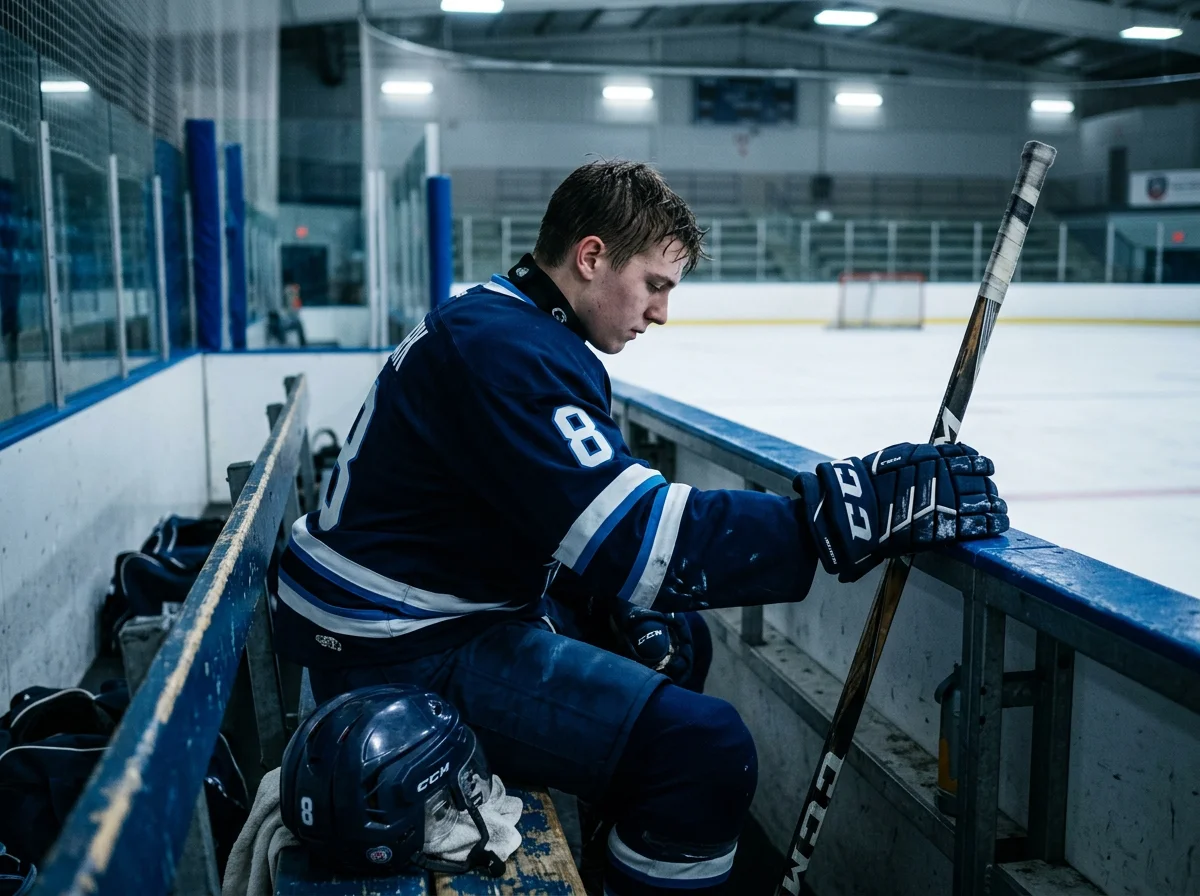
Hockey is an amazing game but let us be honest. It is not an easy experience at times.
Perhaps, you are going to lose games you thought you should win.
You are going to make errors at some of the worst possible times.
You are going to get cut from a team, traded, or miss a shot, give up a goal that may end up you sitting on the bench.
That is not failure. That is what the hockey experience can be sometimes.
What really separates players who grow, from players who get stuck is not talent. It is called resilience.
What Is Resilience in Hockey?
Resilience is your ability to bounce back when things just don’t go your way.
It is staying focused and engaged after a bad shift.
It is competing hard even after making an error.
It is showing up ready to work even when confidence feels low.
From a performance perspective, resilience means that you do not let one moment, one opinion, one
game, define who you are as a player.
Elite players are not perfect. They make the decision to be resilient.
What Resilience Looks Like on the Ice
A resilient hockey player looks like this:
You get scored on, and your body language stays strong and alert.
You miss a pass, and you skate back hard to the bench, instead of hanging your head.
You get criticized by a coach, you listen and adapt instead of shutting down.
You lose a game, and you come back to practice ready to learn and adapt.
Resilience is not being tough all the time.
It is being honest, aware, and willing to respond in a more effective way.
The Five Steps to Becoming a More Resilient Hockey Player
Here are five simple steps you can start practicing right now.
1. Separate Who You Are from What Just Happened
One error does not mean you are a bad player.
One bad game does not erase all the work you have put in.
Resilient players understand this.
They see mistakes as events, not identities.
Instead of saying, “I am terrible,” say, “That shift did not go how I intended.”
When that one shift is over, you are still you.
2. Control What You Can Control
You cannot control ice time, refs, or what your teammates do.
You can control effort, attitude, and focus.
Resilience grows when you stop fighting what you cannot control and put your energy where it matters.
Ask yourself this during tough moments.
What is one thing I can do right now to help my team?
3. Stay in the Now.
Resilient players do not live in the last shift or the last game.
They stay right here in the now, where everything is happening.
When your mind goes negatively into the past, confidence drops.
When your mind jumps to the uncertain future, pressure increases.
Your best hockey happens one shift, one moment, at a time.
Right now is the only place you can make a difference.
4. Learn Instead of Judge
Judging yourself shuts growth down.
Learning keeps growth moving.
After a error or a loss, ask more meaningful questions.
What can this teach me?
What would I do differently next time?
Resilience is not ignoring errors or mistakes.
It is using them to learn, adapt and grow.
5. Trust the Process, Not Just the Outcome
Hockey development is not a straight line.
There are ups, downs, and setbacks along the way.
Resilient players trust that effort, patience, and consistency matter even when results do not show up
right away. If you stay committed to learning and growth, results eventually catch up.
Final Thought
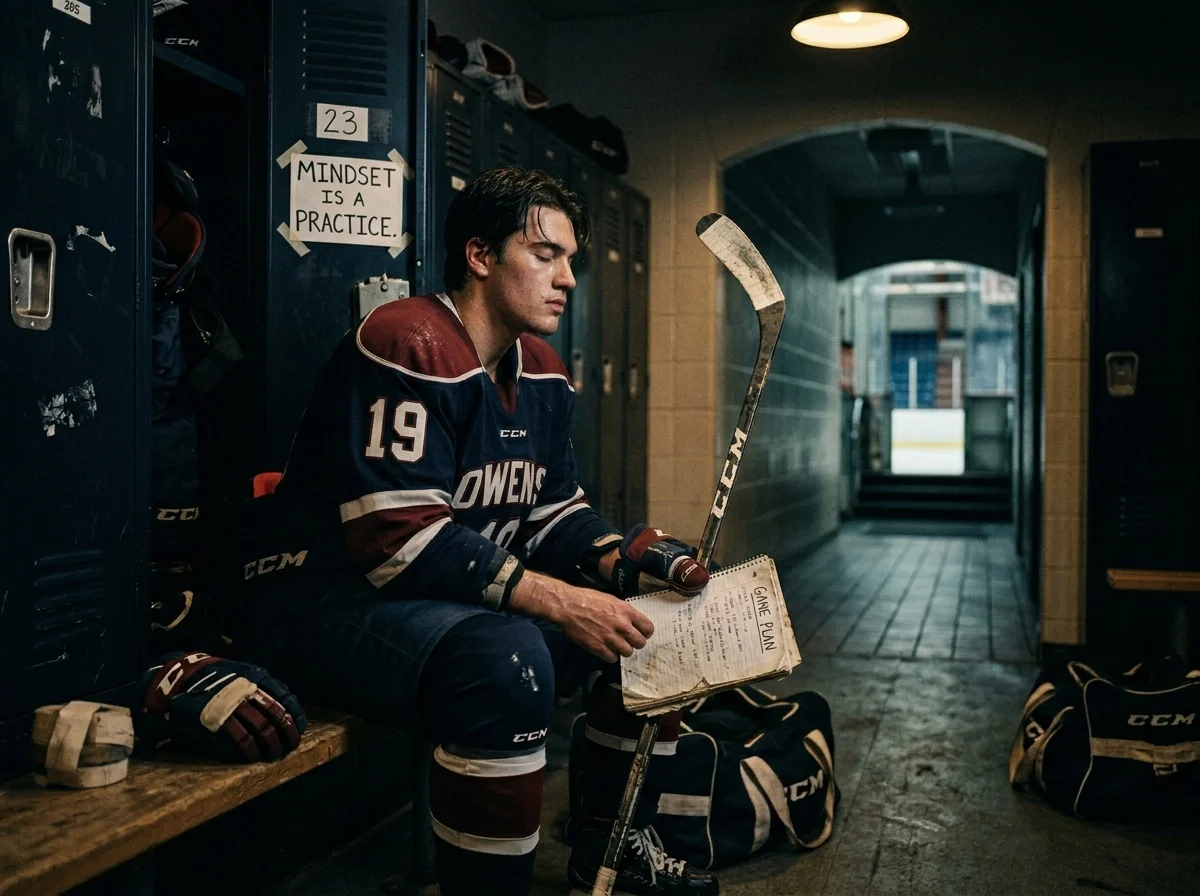
Resilience is not something you are born with. It is something you practice.
Every tough shift is part of the training.
Every setback is an opportunity to grow stronger.
Hockey will challenge your internal belief. That is part of the gift.
Resilience is what allows you to keep showing up, competing hard, and becoming the player and person
you are meant to be.
One shift at a time, one moment at a time is the approach to becoming an unshakable player.
One of the most important moments in youth hockey does not happen on the ice.
It happens in the car ride home.
Those first few minutes can either build confidence… or quietly create pressure.